Loading...
Serving Dothan, AL and surrounding areas. (334) 459-1106
Dothan Insulation serves Auburn, AL homeowners with attic insulation, crawl space work, and spray foam - an experienced insulation contractor familiar with the brick ranches near Auburn University and the newer Lee County subdivisions, with free estimates and replies within one business day.
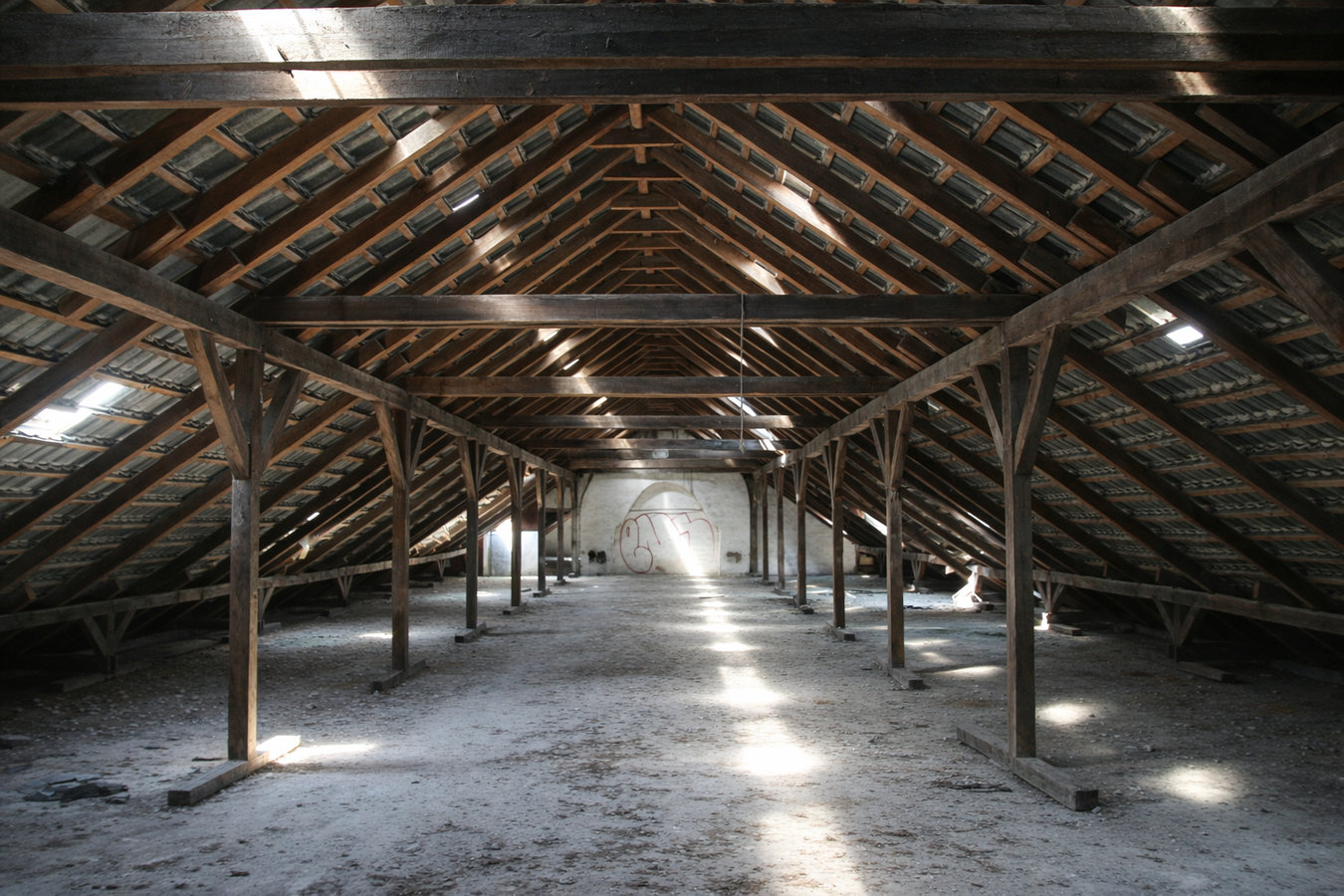
Auburn sits in Climate Zone 2, and the attic of a poorly insulated home can reach 130 to 150 degrees on a July afternoon - pushing heat straight into bedrooms below. Homes in Auburn's established neighborhoods near campus were often built in the 1950s and 1960s to standards well below what is recommended today, and most have never had insulation added since original construction. Learn more about our attic insulation service and what the process looks like for Lee County homes.
Auburn gets about 56 inches of rain per year, and Lee County's clay soils drain slowly - meaning crawl spaces stay wet long after heavy spring storms. Closed-cell spray foam applied to crawl space walls and rim joists blocks both heat and moisture at the same time, making it the most durable solution for the older pier-and-beam homes that dominate Auburn's neighborhoods near the university.
Many of Auburn's older single-family homes sit on crawl space foundations, and without insulation between the floor joists, that space becomes a direct conduit for outdoor heat and moisture into the living area above. Floors that feel warm in summer, musty odors, and visible dampness under the house are the most common signs this work is overdue for Auburn homeowners.
Blown-in insulation is the most practical attic upgrade for Auburn's older brick ranches because it fills every corner evenly, reaches into tight eave spaces, and requires no wall or ceiling demolition. For homes in Auburn's Cary Woods neighborhood and similar established areas where attic access is tight, blown-in delivers consistent coverage in a single day.
Auburn's year-round humidity means that air leaks around attic penetrations, recessed lights, and wall top plates let humid outdoor air bypass insulation entirely. Sealing these gaps before adding insulation is essential in a climate with 70 percent average relative humidity, where uncontrolled air movement causes moisture problems as much as it causes energy loss.
Auburn receives about 56 inches of rain per year - nearly 20 inches above the national average - and the city sits on clay-heavy Lee County soils that hold water long after storms pass. That extra moisture has direct consequences for crawl spaces, attics, and the insulation in between. According to the U.S. Census Bureau, roughly half of Auburn's housing units are renter-occupied, driven largely by Auburn University's enrollment of over 31,000 students. That high renter share means many homes in the city have seen years of deferred maintenance - and insulation is one of the first things that gets neglected when a property turns over frequently.
On the owner-occupied side, Auburn has grown from about 53,000 residents in 2010 to over 78,000 by the early 2020s, with much of that growth happening in newer subdivisions on the west and south sides of the city. These homes are now reaching the age range where original insulation starts to settle and original air sealing starts to fail. Meanwhile, older neighborhoods within a mile or two of campus have homes from the 1950s through 1970s that were insulated far below what Alabama's Climate Zone 2 recommendation calls for today. An insulation contractor working in Auburn needs to understand both the aging housing stock near campus and the newer construction on the city's edges.
Our crew regularly works on homes throughout Lee County, and Auburn is a city where the housing stock and the homeowner profile vary significantly by neighborhood. The brick ranch homes closest to Auburn University - areas like Cary Woods and Moores Mill Road - sit on crawl space foundations and carry decades of settled insulation. The subdivisions out west of town feature newer builds with different framing and access points. We assess each home on its own terms before recommending materials or scope.
Auburn's game-day culture is real, and we plan our schedules accordingly. We do not leave a job half-finished on a fall Saturday. South College Street, Glenn Avenue, and Opelika Road are the corridors we navigate most, and we know how traffic shifts around Jordan-Hare Stadium on game weekends. If you need work done before the season starts or between games, we can accommodate that. We also serve homeowners in Opelika just to the east, where the housing stock and soil conditions are closely related to Auburn's.
We also work in Phenix City and the broader east Alabama corridor. Auburn homeowners who call us typically hear back within one business day, and we carry the documentation needed to support any federal tax credit claims for energy efficiency improvements.
Reach out by phone or through the contact form and describe what you are experiencing - high bills, hot rooms, musty crawl space smells. We reply within one business day and can usually schedule an in-home visit within a few days of your call.
We come to your Auburn home, look at your attic and crawl space, and measure what is already there. This visit typically takes 30 to 60 minutes. You receive a written estimate before we leave - no on-the-spot pressure to decide.
Most Auburn jobs are completed in one day. We seal air gaps first, then install the insulation. Work happens in the attic or crawl space - your living areas stay clean and undisturbed throughout the job.
Before we leave, we walk you through what was installed and where. We provide written documentation of the materials used - which you will need if you claim a federal energy efficiency tax credit. Most homeowners notice a difference on their first full summer energy bill.
We serve homeowners across Auburn and Lee County. No sales pitch - just a straightforward assessment of what your home needs and a written quote you can compare.
(334) 459-1106Auburn is a city of over 78,000 people in Lee County in east-central Alabama, about 60 miles east of Montgomery. The city is defined by Auburn University, one of the largest universities in the Southeast with over 31,000 enrolled students. Established neighborhoods like Cary Woods, Wire Road, and the areas near Toomer's Corner feature brick ranch homes from the 1950s through 1970s on tree-shaded lots with crawl space foundations. The city's outer edges - along Moores Mill Road and south toward the Lee County line - have seen steady new construction over the past 15 years, producing a mix of two-story vinyl and brick-veneer homes on smaller lots.
Auburn's residential character splits roughly between long-term homeowners and a substantial rental population tied to the university. Owner-occupied homes are concentrated farther from campus, while areas within walking distance of Jordan-Hare Stadium see higher rental density and more frequent property turnover. East Alabama Medical Center and Auburn University itself are the two largest employers, which means a significant share of Auburn homeowners are faculty, staff, or healthcare workers planning to stay long-term. We also serve homeowners in nearby Andalusia and the Wiregrass region to the south.
High-performance spray foam that seals and insulates in one application.
Learn moreKeep conditioned air in and outdoor heat out with proper attic insulation.
Learn moreLoose-fill insulation that fills every gap for complete, even coverage.
Learn moreProtect your floors and pipes with crawl space insulation and sealing.
Learn moreInsulate basement walls and rim joists to lower heating and cooling costs.
Learn moreDense, moisture-resistant foam with the highest R-value per inch.
Learn moreLightweight, flexible foam ideal for interior walls and sound control.
Learn moreHeavy-duty vapor barriers that block ground moisture from entering your home.
Learn moreProfessional vapor barrier installation for crawl spaces and basements.
Learn moreCommercial-grade insulation for offices, warehouses, and multi-unit buildings.
Learn moreServing these cities and communities.
Call Dothan Insulation today or fill out the contact form. Summer in Lee County is long and hot - the sooner your attic and crawl space are properly insulated, the sooner you see the difference on your bill.