
Loading...
Serving Dothan, AL and surrounding areas. (334) 459-1106
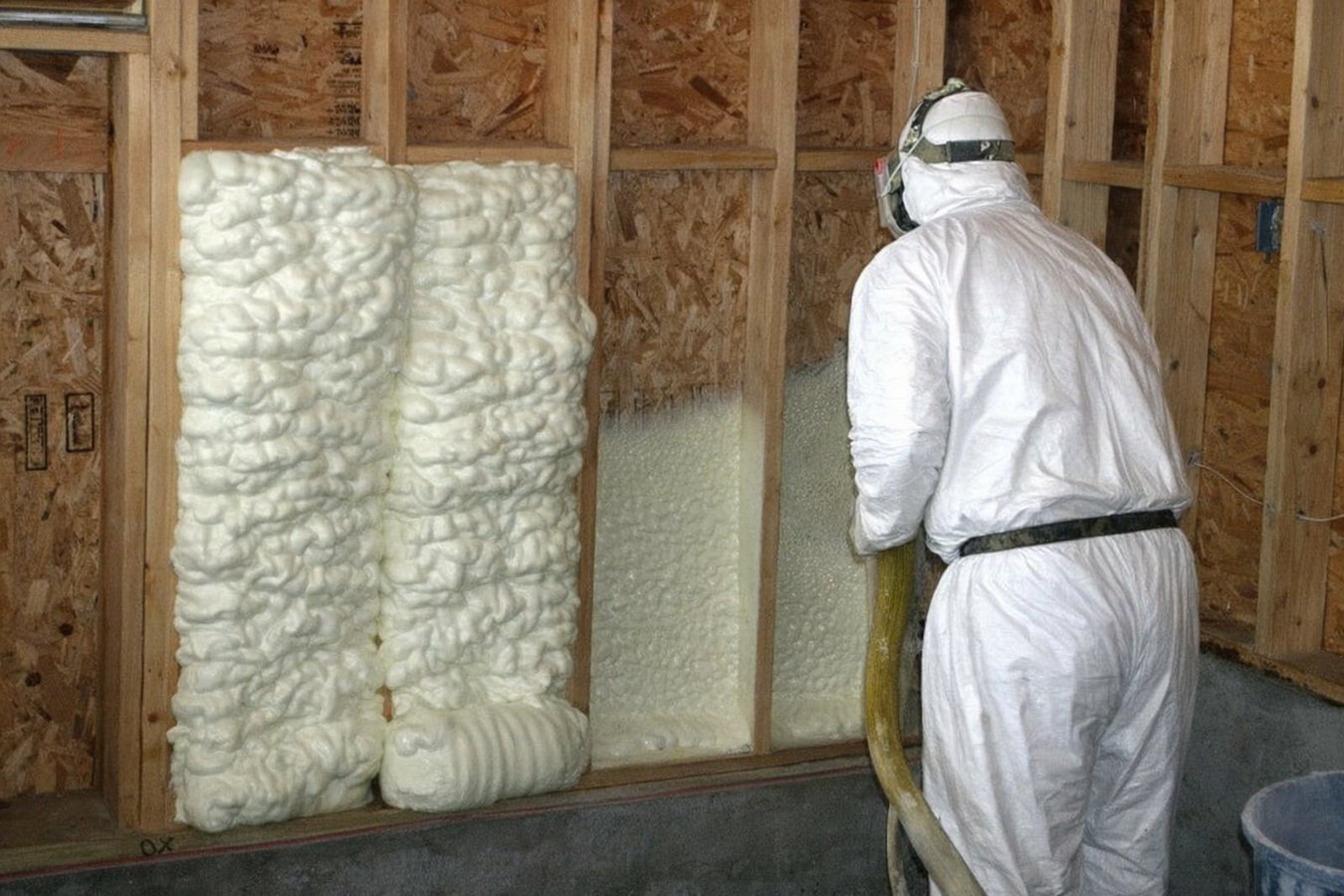
Dothan summers push into the mid-90s for months. Open-cell foam seals every gap and blocks humid outdoor air - so your air conditioner finally keeps up.
Open-cell foam insulation in Dothan gets sprayed as a liquid and expands to fill every gap, crack, and cavity - most attic or crawl space jobs finish in a single day. Unlike fiberglass batts that only slow heat, open-cell foam also seals air, stopping humid outdoor air from pushing into your living space before your air conditioner ever has to fight it.
In a hot, humid climate like southeast Alabama, that air-sealing effect often matters more than the raw insulating value. Homes in Dothan that have never had insulation work done - especially those built before 1990 - tend to see the largest comfort improvements. If your attic is the main concern, pairing open-cell foam with attic air sealing addresses both the gaps and the insulation layer together for the best result.
Open-cell foam is lighter and less expensive than closed-cell, making it the practical choice for most attic and interior wall applications. It conforms to irregular shapes, so there are no thin spots or bare patches left behind.
If the rooms directly under your attic stay noticeably warmer than the rest of the house all summer, your attic insulation is not blocking the heat above it. In Dothan, an attic without proper insulation and air sealing acts like a heat radiator sitting above your living space. This is one of the most common complaints from homeowners in older Dothan neighborhoods.
If your power bill climbs sharply from spring to summer - beyond what you would expect from running the air conditioner - your home is probably not sealed. Dothan's summers are long and the cooling season runs from May through September. A home without adequate air sealing forces the AC to run almost constantly to make up for what leaks out.
Hold your hand near an electrical outlet on an exterior wall on a hot summer day. If you feel warm air pushing through, you have air leaks that insulation alone will not fix. Dusty streaks around outlets and baseboards are another sign that outside air is finding its way in through gaps in the building envelope.
In Dothan homes on pier-and-beam foundations, a musty smell coming up through the floors means humid ground air is moving freely through an uninsulated crawl space. Soft or springy spots in your floors can mean moisture has been working on the subfloor for some time. Addressing the crawl space with foam stops the moisture source before it causes structural damage.
We install open-cell foam in attics, crawl spaces, and interior walls across Dothan and the surrounding area. For most attic applications, open-cell foam is the right balance of performance and cost - it covers large areas quickly, seals air, and adds sound dampening as a bonus. If your home also needs work on the ceiling plane before foam goes in, we offer attic air sealing to close the gaps around light fixtures, pipes, and wall tops first.
For crawl spaces with known moisture issues, we can guide you toward spray foam insulation using closed-cell material, which acts as a moisture barrier in addition to insulating. A good contractor will walk you through which product fits your specific situation - not push you toward the most expensive option.
Best for most Dothan homes - covers large areas at an accessible cost with full air sealing.
Stops humid ground air from rising into the floor system in pier-and-beam homes.
Fills wall cavities during renovation - improves thermal performance and sound isolation.
Suited to 1960s-1980s homes where original insulation was minimal or has compressed over time.
Dothan sits in IECC Climate Zone 2A - one of the hottest and most humid zones in the country. Summer attic temperatures here can reach 140 degrees on a July afternoon, and that heat presses through every gap in your ceiling into the rooms below. Open-cell foam addresses both the heat transfer and the air infiltration that fiberglass batts leave behind. In a climate this demanding, the combination matters.
Many homes in established Dothan neighborhoods - including areas like Westgate and the streets near Honeysuckle Road - were built in the 1960s through 1980s when insulation requirements were far less stringent. These homes often have little or no insulation in the attic, and the gaps around pipes and wires were never sealed. We also serve homeowners in Enterprise, AL and Troy, AL, where the same older housing stock and Wiregrass-region humidity create the same problems.
When you reach out, we ask a few basic questions - the size of your home, what area you want insulated, and what problems you are experiencing. You do not need technical knowledge. We respond within 1 business day.
A technician visits your home, measures the space, checks existing insulation, and notes any access challenges. You receive a written, itemized quote - not just a verbal number - before any decision is required.
We confirm with the City of Dothan whether a permit is needed and handle pulling it before the work begins. Once the permit is in hand, you get a confirmed work date with no surprises.
The crew arrives with spray equipment and completes the job - most residential attic jobs take three to five hours. Before leaving, we walk you through the finished work so you can see the coverage with your own eyes.
Free written estimate - no obligation. We respond within 1 business day.
(334) 459-1106We are a local business at 278 E Main St in Dothan. We know the older brick ranches near downtown, the pier-and-beam homes in established neighborhoods, and the humidity problems specific to the Wiregrass region.
We document coverage and photograph the finished foam on every project. You know exactly what was installed - no gaps in the record for you or your home.
We handle the City of Dothan permit process on your behalf. That means the work gets inspected and documented - which matters when you sell the home and need to show the improvement was done correctly.
We provide itemized written quotes before any work begins. You know exactly what you are paying for, and there is no obligation to commit on the day of the visit.
The Spray Polyurethane Foam Alliance sets the installation and safety standards our crews follow on every job. You get documented work from a contractor who understands the specific demands of Dothan homes.
The U.S. Department of Energy and the ENERGY STAR tax credit program are reliable resources for understanding insulation standards and available financial incentives.
Close the gaps in your ceiling plane before adding insulation - the step that makes the whole system work.
Learn moreFull-coverage spray foam for attics, crawl spaces, and walls - open-cell and closed-cell options available.
Learn moreSummer scheduling fills fast - call or submit a request today and we will respond within 1 business day.